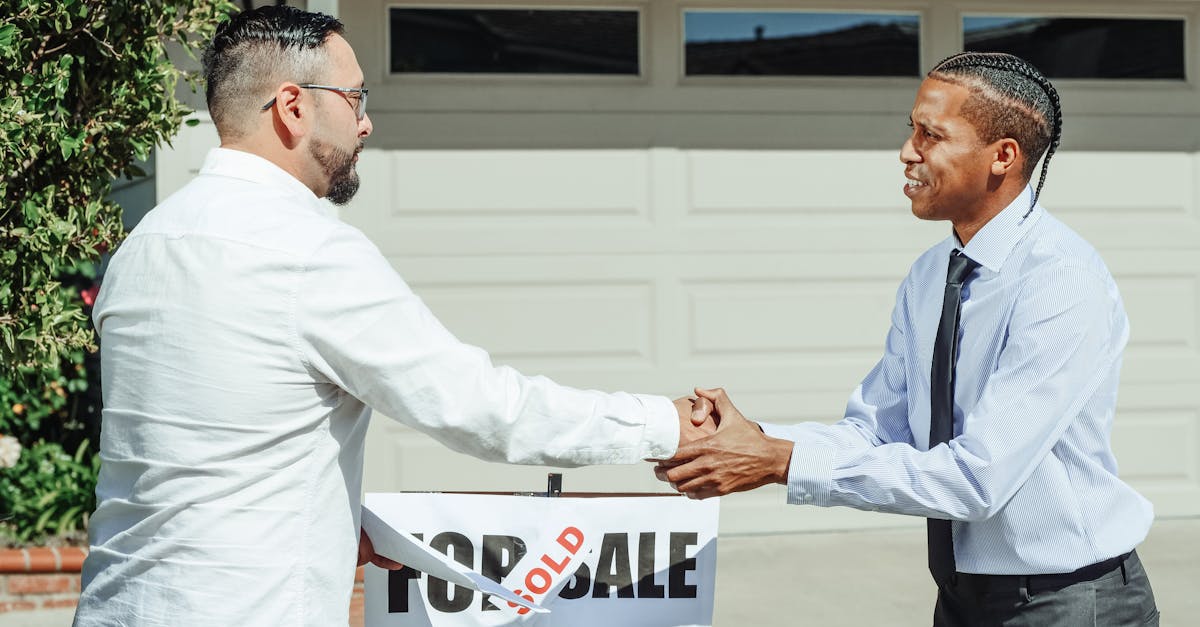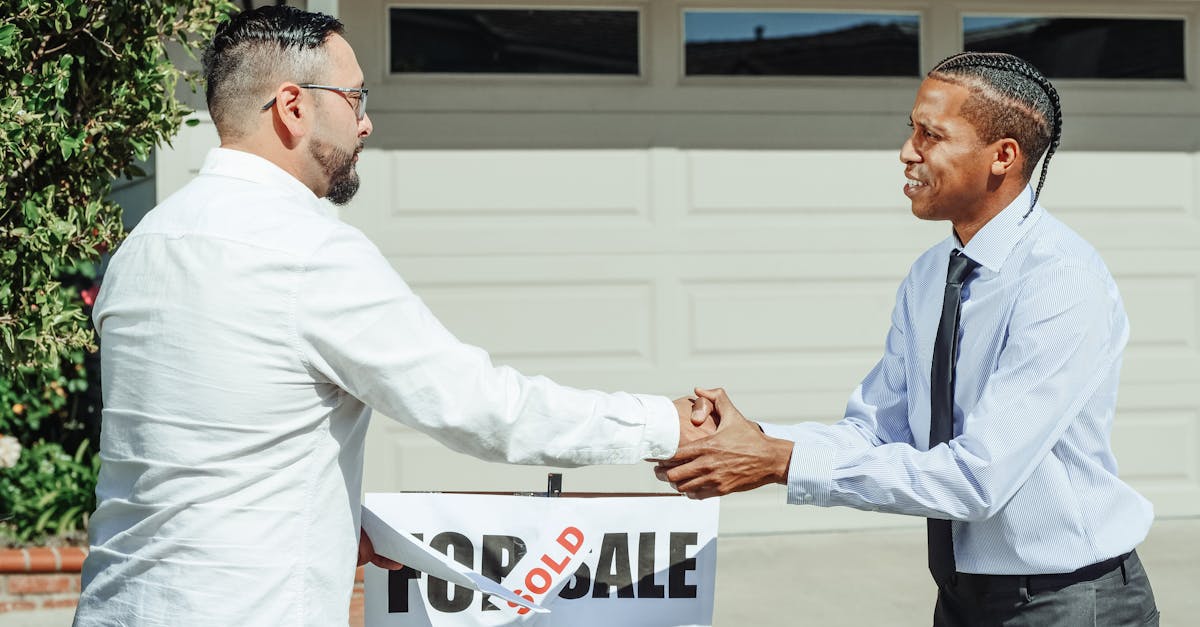
Mastering Follow-Up: The Secret To More Closed Deals
Have you ever spent hours crafting the perfect pitch, felt the high of a great discovery call, and then watched in silence as your prospect vanished into the void? You are not alone. In the world of sales, the follow up is often where the real work begins. It is the bridge between a casual interest and a signed contract. Many people view follow ups as a nagging chore, but the most successful closers see them as the most important part of the relationship building process. Mastering this skill is not about being a pest; it is about providing value until the timing aligns for both sides.
Why Follow Up Is Your Secret Sales Superpower
Most sales professionals stop after one or two attempts. Yet, statistics consistently show that a significant portion of sales happen after the fifth or sixth touchpoint. If you stop early, you are essentially leaving money on the table for your competitors to pick up. Think of a follow up as a gardener watering a plant. You do not just toss water on a seed once and expect a full bloom overnight. You have to nurture that relationship, provide steady support, and wait for the natural growth cycle to conclude.
Understanding The Psychology Of Procrastination In Buyers
Why do prospects go quiet? It is rarely because they hate you. Most of the time, they are simply busy, overwhelmed, or dealing with internal bureaucratic friction that has nothing to do with your product. When a lead stops replying, it is often a sign of choice paralysis. They know they need to make a move, but the sheer weight of decision making is keeping them stuck in status quo mode. Your job is to make the next step as easy and painless as possible for them.
Finding The Sweet Spot: The Art Of Timing
Timing is everything. If you follow up five minutes after a call, you might seem desperate. If you wait five weeks, they have forgotten your name. The golden rule is to define the next steps clearly before ending every single conversation. Always leave the call with a specific time and date for the follow up. When you have a scheduled appointment, your follow up is no longer an intrusion; it is a professional commitment that you are fulfilling.
Building A Multi Channel Follow Up Strategy
Do not rely solely on email. In a digital world, inboxes are absolute graveyards for well intentioned sales messages. To stand out, you need to diversify your approach. Combine emails with personalized LinkedIn messages, brief phone calls, and even handwritten notes if the deal size warrants it. By weaving different channels together, you create a tapestry of touchpoints that feels more present without becoming overwhelming.
Crafting The Perfect Follow Up Message
What is the worst follow up email you have ever received? Let me guess: “Just checking in to see if you have an update.” This phrase is the equivalent of a blank stare at a party. It offers zero value and demands effort from the buyer to update you on their internal situation. Instead, use your follow up to provide a specific insight, share an article relevant to their industry, or offer a helpful resource that addresses a problem you discussed previously.
Adding Genuine Value Instead Of Just Checking In
You must approach every interaction with a mindset of service. Ask yourself, how does this message move their needle? If you send a case study about a company similar to theirs, you are doing the heavy lifting by showing them proof of success. If you send a brief summary of the potential ROI of your solution, you are helping them build a business case for their boss. Value is the currency of influence.
Using Automation Wisely Without Losing The Human Touch
Automation tools are amazing for efficiency, but they can be lethal for authenticity. If your automated follow ups feel like a cold, mechanical script, your prospect will sense it instantly. Use automation to set reminders or to trigger base layer messages, but always inject a sentence or two that references a specific detail from your last conversation. A robot can send a link, but only a human can say, “I remember you mentioned your team was struggling with X during our last call, so I thought you might find this helpful.”
Managing Rejection And Non Responses
It is easy to get discouraged when you hear nothing but silence. You have to detach your self worth from the outcome of the deal. If a lead does not reply, it is a data point, not a personal indictment of your personality. Use non responses as an opportunity to change your tact. If three emails fail, try a phone call. If the phone call goes to voicemail, try a LinkedIn connection request. Change the medium until you get a signal.
The Three Strike Rule: Knowing When To Break Up
Sometimes, the kindest thing you can do for both yourself and the prospect is to walk away. If you have tried multiple channels and still get no response, send a final breakup email. This message should be polite and low pressure. You might say, “I have not heard back, so I assume this is not a priority right now. I will stop reaching out, but feel free to circle back if things change.” Ironically, this often triggers a response because it removes the pressure of the sale.
The Fine Line Between Persistence And Harassment
How do you stay persistent without being annoying? The secret lies in the volume and the tone. If you are emailing someone three times a day, that is harassment. If you are emailing them once every four or five business days with something new or helpful, that is professional persistence. Always check the pulse of the conversation. If they seem annoyed, back off. If they stay silent, keep providing value at a respectful distance.
CRM Best Practices To Stay Organized
You cannot master the follow up if you cannot remember who you need to contact and when. Your CRM is your external brain. Log every single touchpoint. If you do not have a next step marked in your calendar or your system, the deal effectively dies. Treat your follow up tasks like sacred appointments with high profile clients. If it is not in the system, it does not exist.
Personalization At Scale: Making Every Lead Feel Unique
Even when you have a hundred leads, you can still provide a personal touch. Create templates for different buyer personas, but leave placeholders for specific pain points or company events. Keeping a simple spreadsheet of your active prospects with one unique piece of information about them can make your follow up messages feel like they were written specifically for that one person, which they should be.
Measuring Success Through Data And Feedback Loops
Look at your numbers. Which subject lines get the highest open rates? Which types of content generate the most replies? If you are sending out hundreds of follow ups with no movement, you need to pivot your strategy. Treat your sales process like a science experiment. Adjust one variable at a time, measure the result, and refine your approach until you find the formula that works for your specific market.
Final Thoughts On Closing The Loop
Mastering the follow up is the ultimate equalizer in sales. It does not require a fancy degree or a silver tongue; it just requires discipline, empathy, and the courage to stay the course when others give up. By shifting your perspective from chasing a commission to solving a problem, you transform yourself from an annoying salesperson into a trusted advisor. Stay consistent, stay helpful, and remember that every follow up is just another chance to show your prospect that you are the partner they need.
Frequently Asked Questions
1. How many follow ups should I send before I give up?
Generally, five to eight touchpoints spread out over a few weeks is the sweet spot. Use a mix of channels before you send a final breakup email to move on to more active leads.
2. Should I send follow ups on weekends?
In most B2B contexts, stick to business hours. People are often trying to disconnect on weekends, and a business email arriving on a Sunday can feel like an intrusion into their personal time.
3. What is the best way to reengage a cold lead?
Do not ask how they are doing. Instead, provide a specific piece of value, like a new industry report, a relevant news update, or a quick insight that proves you are still thinking about their specific business problems.
4. How do I stop my emails from sounding like spam?
Avoid excessive exclamation marks, buzzwords, and overly salesy subject lines. Keep the tone conversational, use the prospect’s name, and focus entirely on how your content helps them rather than what you want to sell.
5. Is it ever okay to call a prospect without an appointment?
Yes, but do it strategically. Use the phone as a secondary tool if email or LinkedIn messages have been ignored for a week or two. Keep the call brief, professional, and focused on verifying if they still have interest in the topic you discussed previously.